

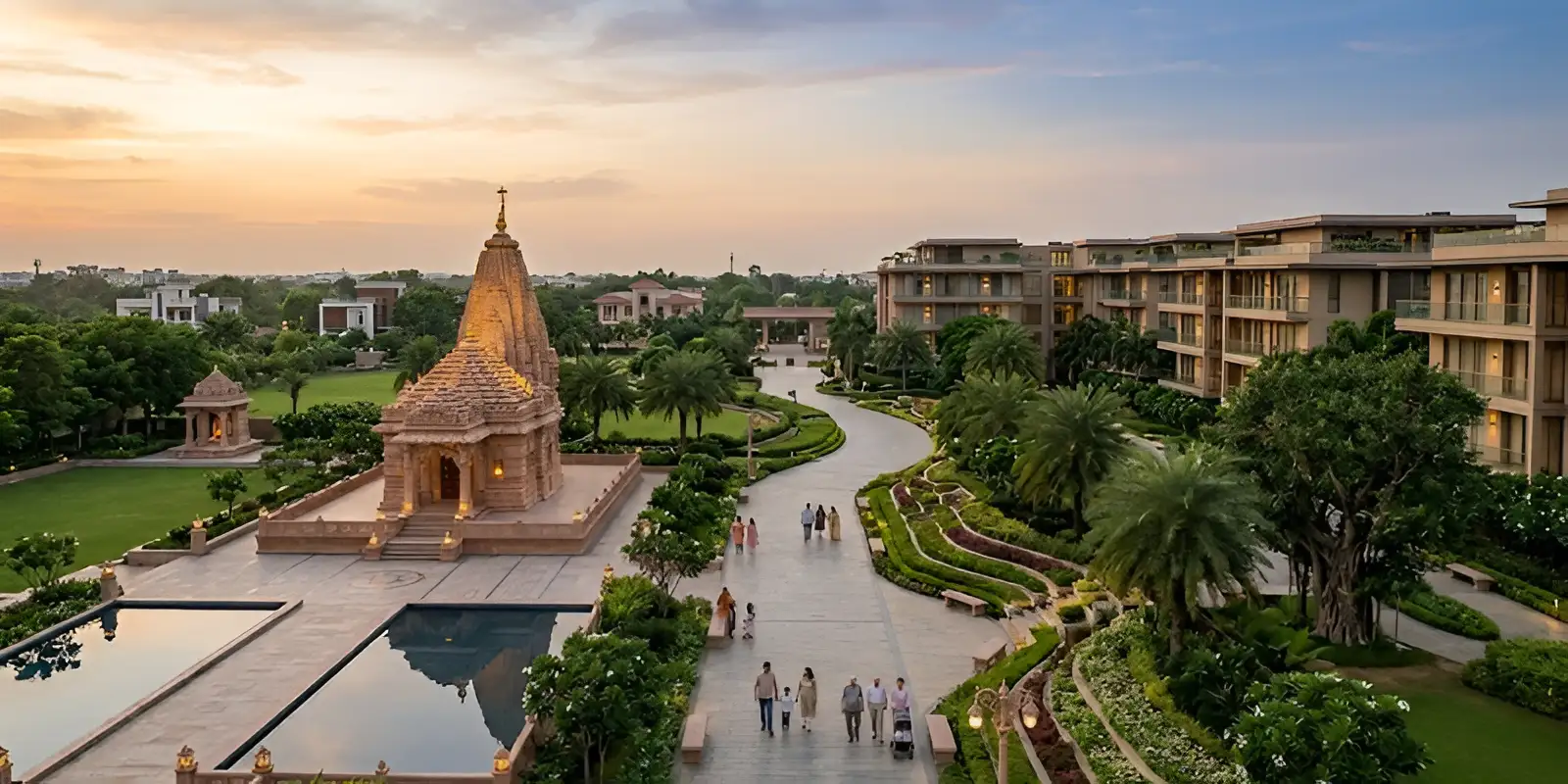
For decades, real estate conversations have revolved around the familiar idea of "location," typically prioritising proximity to business districts, reputable schools, or well-connected transit corridors. However, a quieter but equally potent driver of property value often goes overlooked “the religious anchor.”
Homes near religious anchors often offer more than just convenience. They bring a sense of continuity, a familiar rhythm to daily life, and an environment shaped by shared values. But do these spiritual landmarks actually translate into financial resilience for homeowners or investors?
This article explores the influence of religious centres on surrounding real estate, looking at whether proximity to these anchors supports more steady and reliable property appreciation.
What Defines Homes Near Religious Anchors?
A home near religious places is typically located within comfortable walking or short driving distance of a recognised place of worship or cultural anchors. These may include temples, well-established churches, or contemporary spiritual centres that attract regular visitors.
Areas surrounding established spiritual landmarks often develop with a stronger sense of continuity, where residential growth feels more measured and community-oriented.
How Homes Near Religious Places Influence Property Demand?
Demand for residential property near spiritual centers tends to remain stable, even during market fluctuations. Unlike trend-driven real estate hotspots that rise and fall with changing infrastructure, residential property near temples often retain their relevance across generations.
Factors That Support Steady Appreciation of Homes Near Religious Anchors:
1. Strong Cultural and Community Presence
One of the lasting benefits of living in a home near religious places is the strong sense of community they offer. Such places often create an environment for daily gatherings, festive celebrations, and shared traditions to make people feel connected and welcoming.
Over time, residents often develop stronger social connections, familiar routines, and a deeper attachment to the area, which encourages longer-term occupancy and community stability. As a result, these homes tend to attract consistent interest across different buyer groups, helping maintain stable demand and supporting gradual property appreciation over time.
2. Peaceful Surroundings and Lifestyle Appeal
These areas are typically less commercialised, with controlled development, tree-lined streets, and noticeably reduced noise levels. Civic authorities often impose stricter land-use guidelines near heritage religious sites, which preserves the neighbourhood's character over time.
For homeowners, this translates into a more balanced lifestyle, one that feels both private and connected. For families and professionals seeking a sophisticated yet serene living environment, this atmosphere is genuinely appealing and remarkably difficult to replicate in purely commercial corridors.
Developments like Auriga 9 align with this preference by offering curated living spaces that complement the surrounding tranquility rather than disrupt it.
3. Consistent End-User Demand Across Generations
One of the clearest indicators of long-term appreciation is multi-generational demand. Homes near religious anchors consistently attract buyers across age groups. Parents may choose such homes for convenience and values, while the next generation appreciates the peaceful setting and established infrastructure. This continuity creates a reliable buyer base, reducing the volatility often seen in purely investment-driven markets.
As a result, properties in these locations tend to appreciate steadily rather than experiencing sharp, unpredictable spikes.
4. Defined Cultural Norms and Residential Character
Religious anchors attract consistent civic attention. Roads leading to temples, mosques, churches, and gurudwaras are among the first to receive repair, lighting upgrades, and pedestrian improvements, particularly ahead of festivals and religious observances. This cycle of maintenance, repeated year after year, means the surrounding neighbourhood rarely falls into neglect.
For residents, this translates into well-kept streets, reliable public utilities, and a general sense of upkeep that directly supports long-term property value and everyday quality of life.
5. Stable Rental and Resale Value
From an investment standpoint, homes near spiritual centers often benefit from a more dependable pattern of occupancy and resale activity. This consistency is largely driven by end-users who choose these locations for long-term living rather than temporary convenience. Tenants, particularly families and elderly individuals, actively seek such locations for long-term stays rather than short-term occupancy.
Unlike speculative markets, where value depends heavily on future development, these properties rely on existing, proven demand, making them a more predictable investment choice.
Are There Any Limitations to Consider?
Here are a few practical factors that may influence residential living experience and investment goals.
- Festival Traffic and Parking Challenges: Areas near major religious centres may experience increased traffic and parking congestion during festivals, ceremonies, or special gatherings.
- Development and Zoning Restrictions: Certain neighbourhoods may follow stricter development regulations to preserve cultural significance, limiting large-scale commercial expansion or extensive structural modifications.
- Premium Property Pricing: Strong and consistent demand for homes near religious places can lead to higher property values, making entry prices comparatively steeper than surrounding residential locations.
- Slower Commercial Expansion: Some spiritually centred neighbourhoods prioritise residential and cultural balance over rapid commercialisation, which may limit access to large entertainment or retail hubs nearby.
- Variation in Buyer Preferences: While many buyers value culturally rooted neighbourhoods, some may prefer faster-paced urban districts with a stronger focus on nightlife, corporate infrastructure, or contemporary city living.
Conclusion
Homes near religious anchors offer something genuinely rare in today's fast-moving property market, including stability rooted in culture, community, and a neighbourhood identity that deepens with time. The appreciation here is not driven by speculation or short-term demand cycles. It is structural, supported by consistent end-user interest, limited surrounding supply, and the kind of civic attention that keeps these localities well-maintained across decades.
If you are looking for a home that reflects this philosophy, Auriga 9 by Bhatia Group is worth your attention. By thoughtfully positioned and carefully designed, Auriga 9 brings premium living standards to a location that naturally inspires confidence, where your lifestyle and your investment grow with equal steadiness.
Related Posts
Why Gujarati–Marwadi Families Prefer Homes Near Temples?
Why Proximity to Derasars Influences Buying Decisions in Borivali