

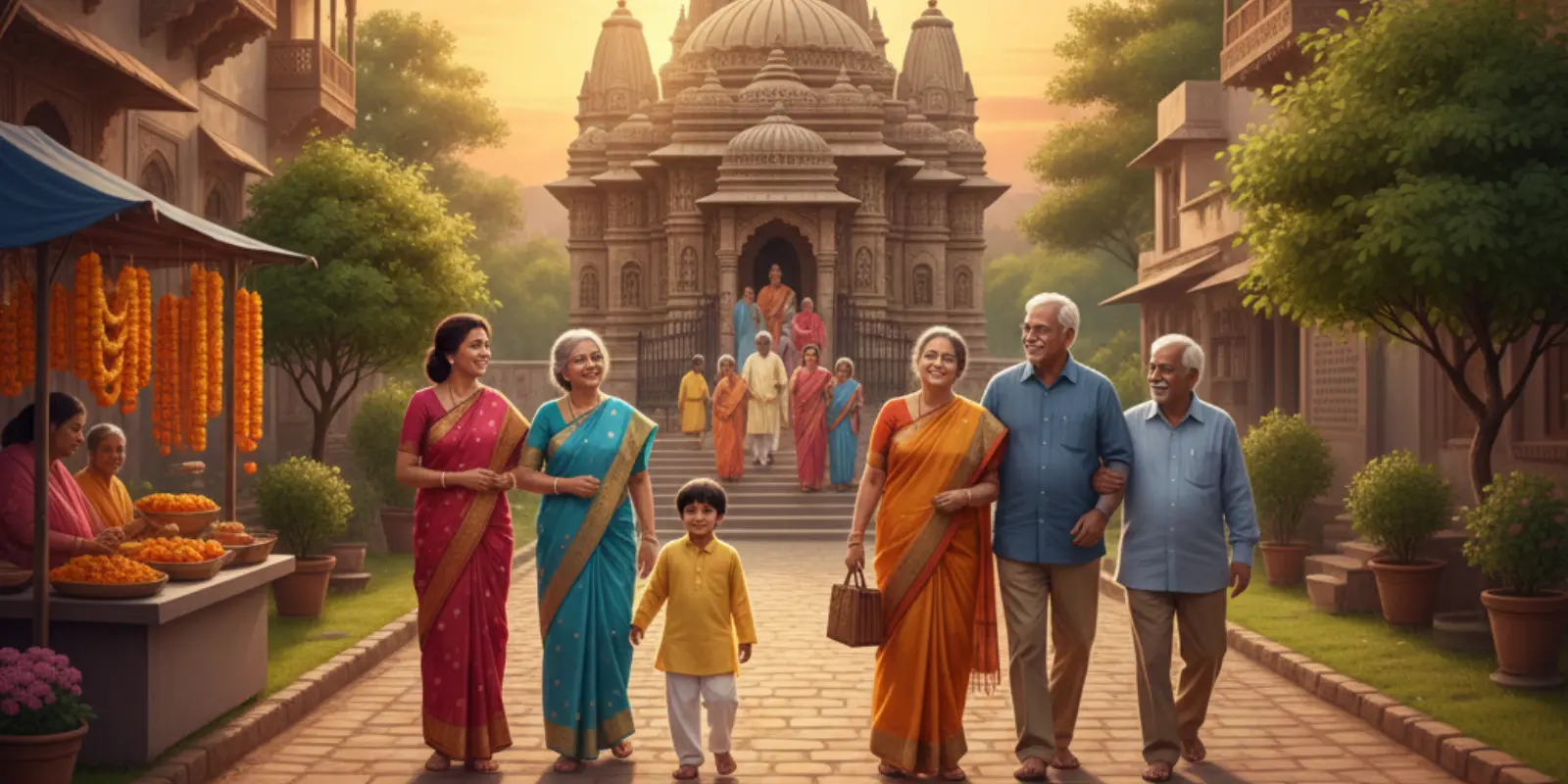
For generations, Gujarati and Marwadi families have shown a distinct preference for purchasing homes close to temples. This choice is not merely a matter of religious convenience but reflects a deeper understanding of community living, cultural preservation, and lifestyle priorities that have shaped their approach to real estate investment.
Understanding this preference offers valuable insights into the evolving residential landscape of Mumbai, particularly in areas like Borivali West where tradition meets modern development.
The Spiritual Foundation of Daily Life
The proximity to temples holds profound significance for Gujarati and Marwadi families, who view regular temple visits as an integral part of their daily routine rather than an occasional religious obligation.
Morning prayers, evening aarti, and festival celebrations form the rhythm of their lives. Living near a temple eliminates the logistical challenges of daily worship, especially for elderly family members who may find it difficult to travel long distances.
This convenience transforms religious practice from a planned activity into a natural extension of everyday life, allowing families to maintain their spiritual connections without disruption to their busy schedules.
Building Strong Community Bonds
Gujarati and Marwadi communities are known for their tight-knit social networks. Temples serve as natural gathering points where families meet, share meals during festivals, and support each other during important life events. Living near a temple means being at the heart of your community.
For those exploring upcoming projects in Borivali West, choosing a location near temples like the Shiv Mandir or ISKCON temple can mean instant access to a ready-made community of like-minded families.
Children make friends with others from similar backgrounds, elderly parents find companionship, and young couples receive guidance from experienced community members.
Community and Cultural Continuity
Beyond individual spirituality, temples serve as vibrant community hubs where Gujarati and Marwadi families connect, socialize, and preserve their cultural heritage. These sacred spaces become meeting points where children learn traditional values, where festivals are celebrated collectively, and where the community support system thrives.
For families who may have migrated from Gujarat or Rajasthan to Mumbai for business opportunities, temple communities provide a sense of belonging and cultural continuity.
The shared language, customs, and values found in these temple communities help in maintaining cultural identity across generations, ensuring that children grow up understanding and appreciating their roots even while adapting to urban metropolitan life.
Social Networks and Business Connections
The practical benefits of temple proximity extend into the professional realm as well. Gujarati and Marwadi communities are renowned for their entrepreneurial spirit and business acumen. Temples naturally become networking venues where business relationships are formed and strengthened.
The trust and familiarity built through regular temple interactions often translate into business partnerships, investment opportunities, and professional collaborations. These informal yet valuable connections have historically played a crucial role in the commercial success of these communities, making temple proximity not just a religious consideration but a strategic advantage for business growth and opportunity.
Investment Perspective and Market Demand
From a real estate investment standpoint, properties near prominent temples in established Gujarati or Marwadi neighbourhoods tend to hold their value well. The consistent demand from community members looking to stay connected to their cultural and religious centres creates a stable resale market.
Developers and builders who understand this demographic preference often highlight temple proximity as a key selling point when marketing upcoming residential projects.
The Borivali West Advantage
Borivali West has become a top choice for Gujarati and Marwadi families because it offers the ideal balance of tradition and modern living. The area is known for its well-established temples, a strong sense of community, and excellent infrastructure.
When you look for 2, 3 and 4 BHK flats in Borivali near temple areas, you’re not just purchasing a home, you’re choosing a lifestyle that reflects your cultural and spiritual values.
Recognizing this growing demand, many projects in Borivali are planned near prominent temples, while some developers are even incorporating dedicated temple spaces within residential complexes.
Conclusion
As Mumbai continues to expand and evolve, the preference for temple-adjacent living among Gujarati and Marwadi families remains strong. This trend influences urban planning and residential development strategies, with developers increasingly considering cultural and community factors alongside infrastructure and amenities.
New residential projects in Borivali West and other developing areas are designed with an awareness of these demographic preferences, creating spaces that accommodate both religious practice and modern living standards.
For families considering their next home, understanding this deeper connection between location and lifestyle can provide valuable perspective on what truly makes a house a home.
If you found this article informative, we encourage you to read our other publications on real estate.