

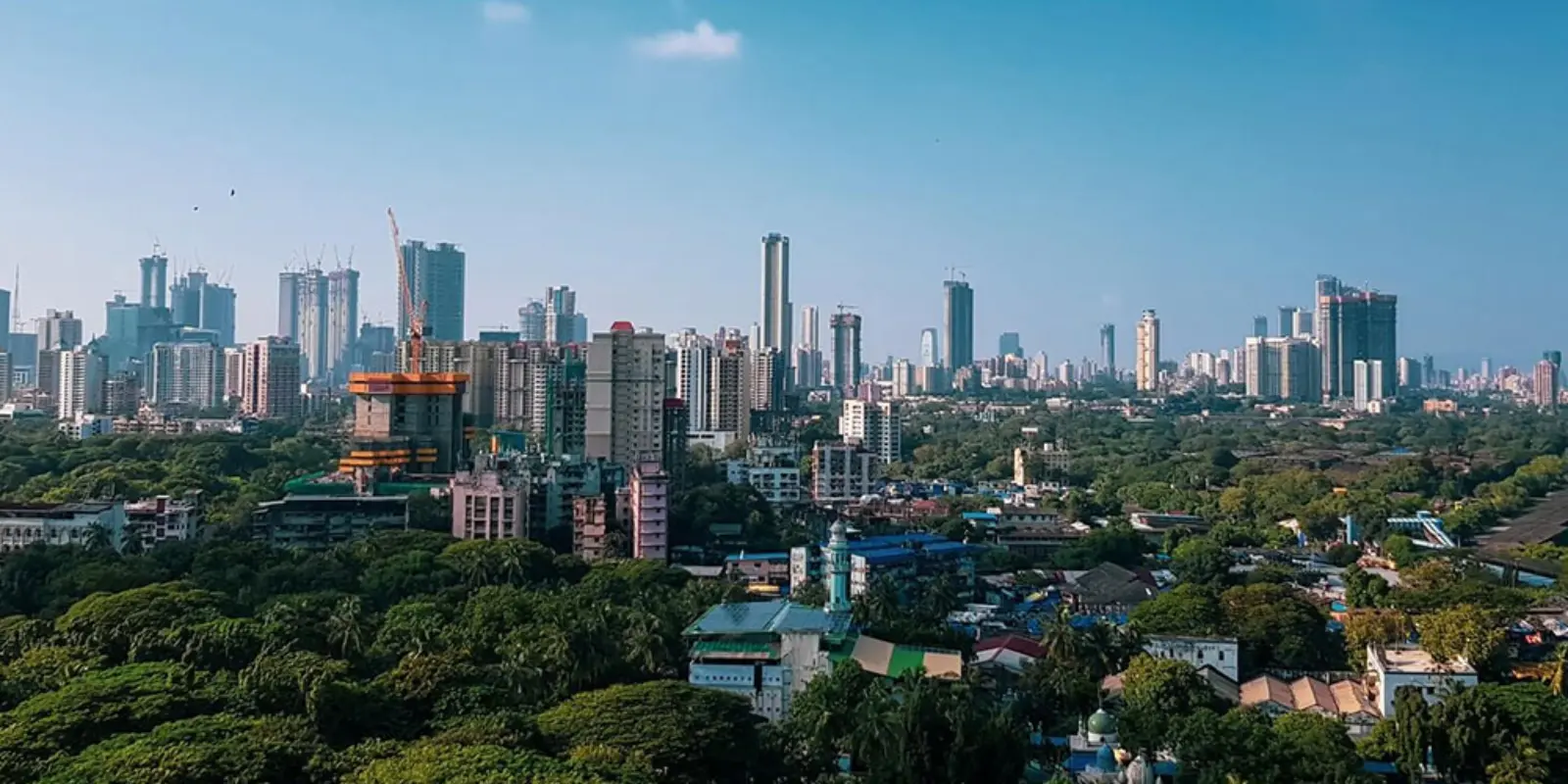
The western suburbs real estate market has been shaped by more than infrastructure, connectivity, or architectural design. Buyers want an environment that reflects their traditions, community ties, and everyday routines. This is where the concept of cultural anchors quietly, yet powerfully, influences real estate demand.
Across established suburbs like Borivali, Kandivali, and Andheri, cultural landmarks and community ecosystems play a meaningful role in how people evaluate residential spaces. Places such as temples, community halls, heritage markets, and cultural centres naturally become an integral part of everyday life in these neighbourhoods. The presence of shared spaces adds warmth and continuity to the surrounding environment, allowing residents to feel rooted in their neighbourhood while enjoying the comfort of home.
Understanding the cultural influence on property buying helps explain why certain areas within the western suburbs continue to attract long-term residential demand.
What Are Cultural Anchors?
Cultural anchors refer to landmarks, institutions, or social hubs that shape the identity of a neighbourhood. These anchors may include temples, cultural centers, heritage markets, community halls, or long-standing local institutions. Over time, they help create stability within a dynamic city, offering a reassuring connection between tradition and modern urban living.
In Borivali, long-established religious sites, cultural auditoriums, and traditional marketplaces contribute to a distinctive neighbourhood character. These spaces create an environment where daily life feels closely connected to tradition, community interaction, and shared experiences.
This cultural depth also plays a role in why Borivali West continues to attract homebuyer interest, as many people today look for neighbourhoods that offer more than just residential infrastructure. They seek places with a well-established community and a culturally vibrant lifestyle.
Community Clusters and Buyer Preferences
One of the defining characteristics of the western suburbs is the presence of well-established community clusters. Over time, specific neighborhoods have evolved to host families with shared cultural backgrounds, languages, and traditions. This clustering creates a sense of belonging that strongly influences residential decisions.
When a buyer identifies strongly with a particular community, whether defined by language, religion, profession, or shared tradition, they tend to seek homes within or adjacent to that community's natural geography. Living close to a familiar social ecosystem offers a sense of ease that no premium amenity can fully replicate.
Religious Landmarks Influencing Housing Demand
Religious landmarks are among the most prominent cultural anchors shaping residential demand in Mumbai’s western suburbs. Temples, mosques, churches, and spiritual centres often attract communities that prefer living near places of worship.
This influence is particularly visible in neighbourhoods such as Borivali, where several prominent temples and spiritual institutions have existed for decades. These landmarks attract not only visitors but also families who wish to integrate spiritual routines into their daily lives.
Cultural Ecosystems and Local Lifestyle
In many parts of the western suburbs, culture is not limited to occasional festivals or religious landmarks, it shapes everyday experiences
Morning walks near traditional markets, local eateries serving regional cuisine, community libraries, and neighbourhood theatres all contribute to the rhythm of daily life. These elements create a residential atmosphere that feels both vibrant and grounded.
For buyers considering Auriga 9, this cultural richness enhances the appeal of modern residential living. A thoughtfully designed home within a culturally active neighborhood allows residents to experience the best of both worlds, sophisticated interiors and a lively external environment.
Cultural Events and Their Influence
Festivals, traditional fairs, music gatherings, and community celebrations bring residents together and reinforce social bonds.
In many parts of the western suburbs, these events are woven into the local calendar. Celebrations such as Ganesh Chaturthi, Navratri, and regional cultural festivals attract large community participation and create a lively atmosphere across neighborhoods. It attracts buyers who want the sophistication of urban living without sacrificing the warmth and familiarity of a culturally grounded neighbourhood.
This cultural pulse not only builds community spirit but also instills a profound sense of place, making these suburbs a magnet for those aspiring to an enriched urban existence.
How Cultural Anchors Influence Property Value
The relationship between cultural anchors and property value is not abstract, it is measurable and consistent. Residential projects with strong cultural identities tend to attract investors, provide more stable demand, lower vacancy rates, and healthier long-term price appreciation.
When people feel genuinely connected to a place, they stay. They invest in their homes, maintain their surroundings, and rarely sell out of impulse. This collective behaviour creates stability, and stability, over time, is what sustains property value.
Culturally grounded neighbourhoods also attract like-minded buyers across generations. A family that has lived in an area for twenty years will often recommend it to siblings, children, and friends. This organic, trust-based demand doesn't spike and crash like speculative interest. It holds.
Conclusion
From religious landmarks and community clusters to vibrant festivals and local cultural ecosystems, these elements influence how cultural anchors influence property demand. In neighborhoods where culture remains deeply woven into everyday life, residential developments often evolve to reflect this sense of connection, offering homes that align with both modern aspirations and long-standing community values.
Auriga 9, developed by Bhatia Group in the heart of Borivali West, reflects how contemporary residential design can exist within a neighborhood deeply shaped by culture and community. Beyond its refined architecture and thoughtfully planned residences, the development sits within an environment where everyday life continues to be influenced by long-standing traditions and local social connections.
It highlights how modern homes can seamlessly integrate with the cultural rhythm of a neighbourhood while offering residents a refined and well-connected urban lifestyle.